If sunrise paddles, warm Greek pastries, and island day trips sound like your kind of morning, you will feel right at home in Tarpon Springs. This small Gulf Coast city blends a lively working waterfront with walkable streets, shaded bayous, and a deep sense of history. If you are thinking about living near the water here, you likely want both lifestyle and practical guidance. In this guide, you will learn where locals go, how boating access really works, what to check before you buy, and what to expect from the market. Let’s dive in.
Why Tarpon Springs pulls you to the water
Tarpon Springs is a compact coastal city with an estimated 2024 population of about 26,168, with a notable share of older adults who enjoy the area’s laid‑back pace and access to the bayous and Gulf. You feel that small‑city rhythm along the Sponge Docks and historic downtown where shops, parks, and boat slips sit side by side. The walkable scale is a big part of the draw for people who want water access without giving up neighborhood charm. For quick context on who lives here, see the 2024 population estimate.
The city’s identity is tied to the sponge industry and the Greek divers who settled here. The Greektown Historic District is listed in the National Register and anchors today’s festivals, bakeries, and family restaurants along Dodecanese Boulevard. That heritage shapes daily life near the water and gives nearby neighborhoods a distinct character. Learn more in the Greektown Historic District listing.
You can taste that heritage on a simple morning loop: grab a pastry at Hellas Bakery & Restaurant, stroll the docks, then cut over to a bayou‑side bench to watch the boats. It is the kind of everyday routine that turns waterfront living into a lifestyle, not just a view.
Waterfront parks and daily escapes
If you live near the water in Tarpon Springs, you are never far from a park or launch.
- Craig Park and Spring Bayou. This small downtown park connects to a graceful seawall where residents watch manatees and boats, and it is the setting for the town’s famous Epiphany cross dive each January. See a walkable overview of downtown and the Sponge Docks in this local city guide.
- Fred Howard Park. On the city’s western edge, this Pinellas County park offers a sandy beach, calm water for swimming and paddleboarding, and sunset views over the Gulf. It is a favorite for families and evening picnics. Get details on amenities at Fred Howard Park.
- Anclote Key Preserve State Park. About 3 miles offshore, this undeveloped island is a local treasure for shelling, birding, and bright‑blue water days. Ferries and charters leave from the Sponge Docks, or you can go by private boat. Preview the island in the Anclote Key brochure.
Between these anchors, you will find kayak launches and small natural access points along the Anclote River and nearby bayous, so quick paddles are easy to work into your week.
Boating culture and water access
Life here revolves around the Anclote River and the network of bayous that lead to the Gulf. Charter boats, dolphin tours, and sponge boats call the Sponge Docks home, while residents use a mix of marinas, boatyards, and private docks. For a countywide view of facilities and slip types, review the Pinellas recreation and marina inventory.
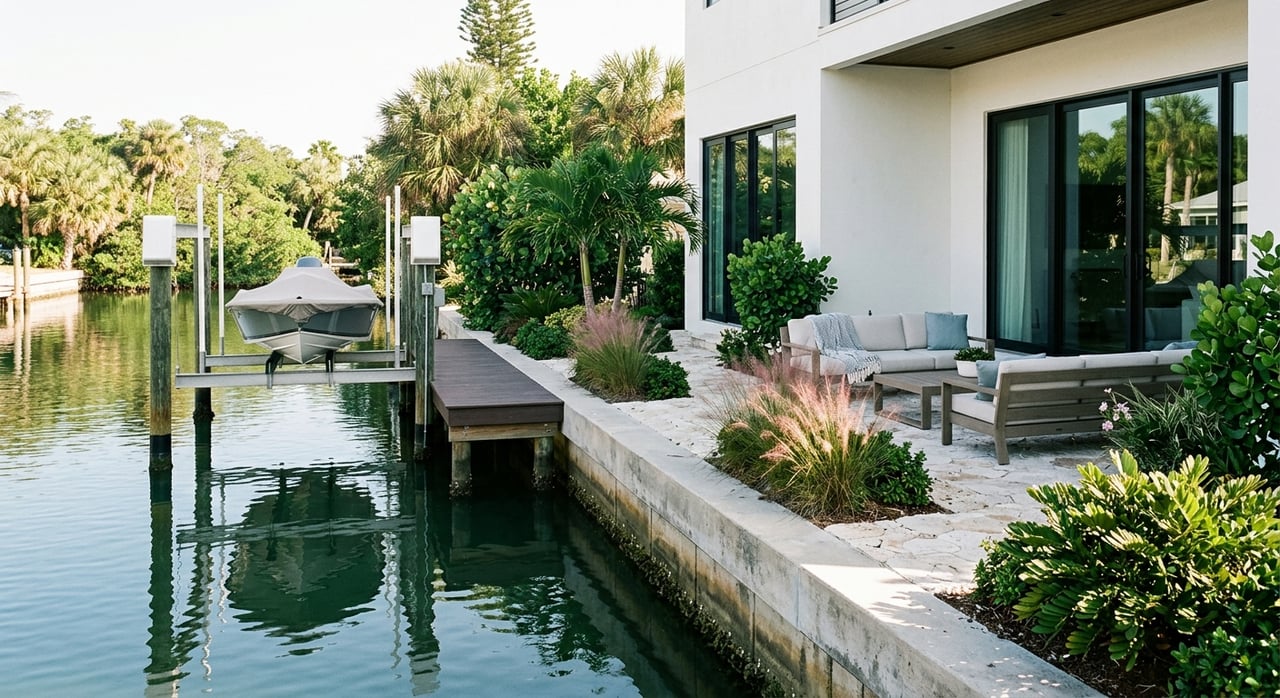
If you plan to keep a boat at home, details matter lot by lot. Canal depth, tide swings, bridge clearances, and the age of seawalls can change what you can run and when. Some properties offer deep water and quick Gulf access. Others suit flats boats or kayaks but not larger center consoles. Before you write an offer, confirm the practicals through permits, surveys, and direct checks with marinas or the county. Start with the Pinellas planning reference above for the right technical questions to ask.
Quick boat access checklist
- Verify channel depth, typical tide range, and your boat’s draft.
- Measure bridge clearances along your route to the Gulf.
- Confirm dock permits, riparian rights, and any HOA rules.
- Inspect seawall age, condition, and any previous repairs.
- Check lift capacity, pilings, and electric at the dock.
Where you can live near the water
You will find several distinct settings around Tarpon Springs’ bayous and beaches:
- Historic downtown and the Sponge Docks. Early 20th‑century homes and small multifamily buildings sit near Spring Bayou, giving you walkability to shops, parks, and the working waterfront. The Greektown historic listing offers helpful background on the area’s fabric and architecture.
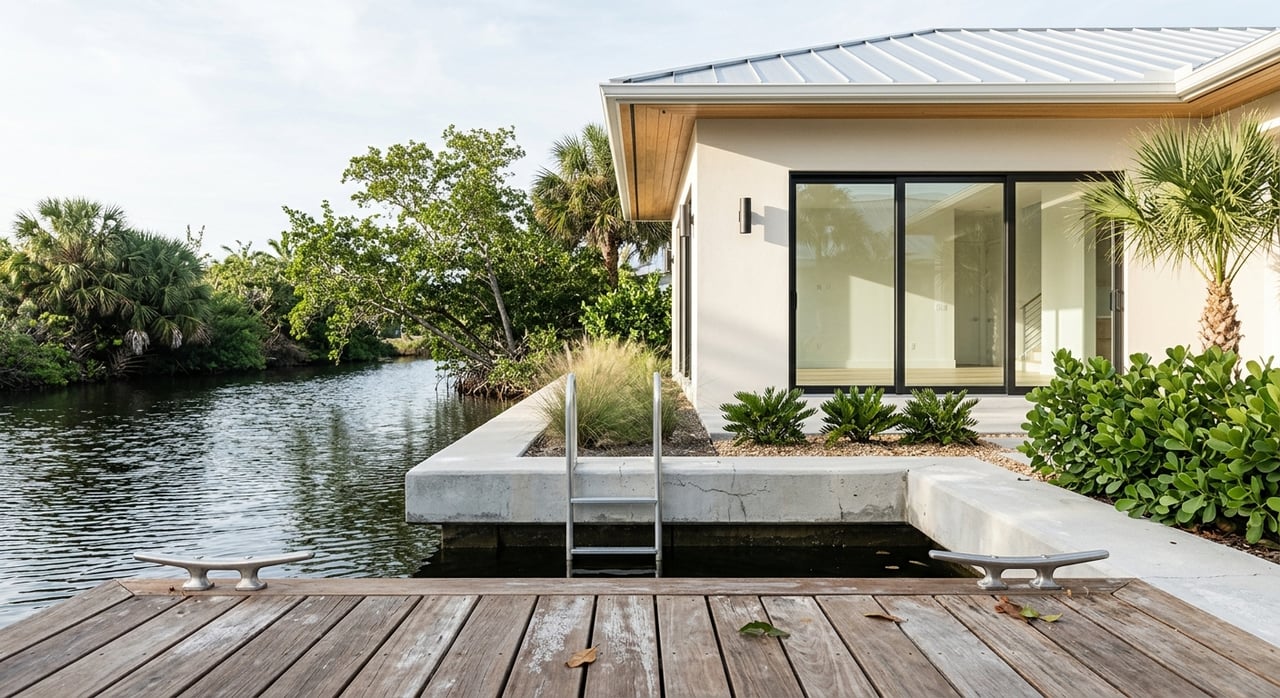
- Bayou and canal homes. Along Whitcomb Bayou, Tarpon Bayou, and the Anclote River, you will see single‑family homes with private docks or community access. Lot sizes, channel depth, and travel time to the Gulf vary, so evaluate each street individually if boating is a priority.
- Near‑beach cottages and condos. Around Sunset Beach and close to Fred Howard Park, smaller beach homes and low‑rise condos give you a short hop to sand and sunsets.
What homes cost today
As of early 2026, major real estate portals show a median sale or value range roughly between the upper 300Ks and about the mid 400Ks for Tarpon Springs overall. Waterfront, deep‑water, and historic‑district properties often command a premium above neighborhood averages. For the most accurate picture on a given street, ask for a current set of MLS comparables by property type and flood elevation.
Smart due diligence for waterfront buyers
Coastal living is special, and it comes with extra homework. Flood zones, wind mitigation, and insurance planning should be part of your early conversations.
- Flood zones and insurance. Lenders typically require flood insurance for homes in FEMA Special Flood Hazard Areas. Pinellas County’s flood program and Community Rating System participation can influence premiums, and the county encourages all buyers to review maps and evacuation zones. Use the county’s flood information page to check a property’s designation and resources.
- City resilience projects. The City of Tarpon Springs has studied tidal flooding and sea‑level rise along the Sponge Docks and historic areas, with proposed measures such as seawall updates and sidewalk elevations. If you are targeting blocks near the docks, it is worth reading the city’s Adaptation and Resiliency Plan and asking about recent improvements.
- Hurricane season and wind mitigation. Florida’s hurricane season runs June 1 through November 30. Features like roof straps, impact upgrades, and protected openings can help with safety and insurance. If you are considering an older home, ask for a wind‑mitigation report and age of major systems.
What to check before you buy
- Flood zone on FEMA and Pinellas maps, plus an elevation certificate.
- Age and condition of any seawall or shoreline improvements.
- Dock rights, permits, and lift specifications for your boat size.
- Wind‑mitigation documentation and insurance quotes from your carrier.
- Any planned city or county resilience projects that may affect your street.
Everyday practicals: taxes, schools, commute
Property taxes are set at the county level. For assessed values, exemptions, and parcel history, use the Pinellas County Property Appraiser. If schools are part of your decision, Pinellas County Schools operate Tarpon Springs area campuses, and zoning can change over time, so confirm the current assignment on the district site before you buy.
Commuting is straightforward for most buyers. Clearwater destinations are roughly 10 to 20 miles depending on where you start, and central Tampa is about 30 miles. Traffic patterns vary by season and time of day, so check your typical route during the hours you care about.
A day near the water: what life feels like
Start with coffee and a bougatsa from a Greek bakery, then stroll Craig Park as the light hits Spring Bayou. Late morning, launch a kayak for a quiet paddle along the mangroves or join a short charter to Anclote Key. In the afternoon, head to Fred Howard Park for a swim and stay for the sunset. Cap the day with fresh seafood by the docks and a walk past the sponge boats. It is simple, close to nature, and never far from home.
Ready to explore homes on the water?
If Tarpon Springs near the water sounds like your next chapter, you deserve clear guidance on neighborhoods, boat access, flood and insurance planning, and value. Work with a second‑generation coastal advisor who blends deep local knowledge with hands‑on representation and polished marketing. Reach out to Justin Aftanis to schedule a consultation and start your search with confidence.
FAQs
What is the lifestyle like near the Sponge Docks in Tarpon Springs?
- The Sponge Docks area is lively and walkable with shops and Greek restaurants, and it can be busy during festival weekends and peak season, while nearby downtown blocks tend to be quieter.
How easy is Gulf access from a Tarpon Springs waterfront home?
- It depends on the specific canal or bayou; confirm channel depth, tides, bridge clearances, dock permits, and seawall condition to understand what size boat and route will work.
How should I evaluate flood and hurricane risk for a Tarpon Springs home?
- Review FEMA and Pinellas County flood maps, obtain the elevation certificate, inspect the seawall if present, and get quotes for flood and wind coverage early in your due diligence.
What parks and beaches are closest if I live near the water in Tarpon Springs?
- Craig Park and Spring Bayou are downtown, Fred Howard Park offers a beach and sunsets, and Anclote Key Preserve State Park is a short boat ride for island day trips.
What are current home prices like in Tarpon Springs near the water?
- As of early 2026, public portals show a broad range around the high 300Ks to mid 400Ks overall, with premiums for deep‑water, historic‑district, or near‑beach properties.