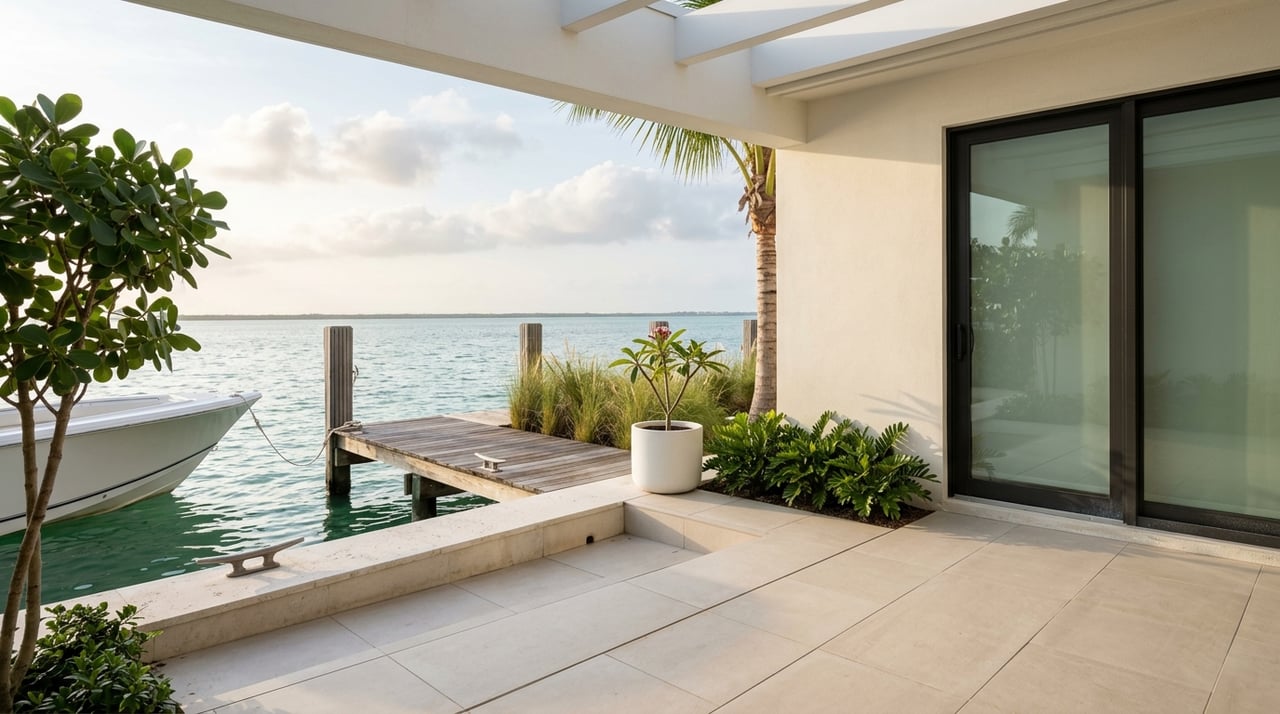
Wondering whether Dunedin’s coastal lifestyle is something you can actually use every week, not just admire on a map? If you are home shopping here, parks, marinas, trails, and boating access can shape your daily routine as much as the home itself. The good news is that Dunedin offers a mix of waterfront parks, island access, and trail-connected outdoor spaces that support several kinds of coastal living. Let’s dive in.
Why Dunedin Stands Out
Dunedin’s waterfront lifestyle is spread across more than one area, which is part of what makes it appealing to home shoppers. City materials describe a coastal city with access to Honeymoon Island, a walkable downtown, and the Pinellas Trail woven into everyday movement.
The city also maintains more than 35 parks and 560 acres of green space. In general, city parks are free and open from sunrise to sunset, which gives you flexible access whether you prefer morning walks, after-work bike rides, or sunset stops by the water.
Dunedin was also the first Florida city to receive a Trail Town designation. For buyers, that helps explain why outdoor living here often feels connected rather than isolated to one beach or one marina.
Parks That Shape Daily Life
Edgewater Park and Downtown Access
Edgewater Park is one of the easiest places to picture yourself using regularly if you want a downtown waterfront routine. This four-acre park sits at the Dunedin Marina and includes a shaded playground, picnic tables, restrooms, and a gazebo that can be reserved for events.
The playground has a nautical theme and includes accessible and inclusive design features. If you are looking for a home near downtown, this park shows how close everyday recreation can be to restaurants, shops, and the marina area.
Dunedin Youth Guild Park and Bayshore
On the north end, Dunedin Youth Guild Park offers another waterfront setting tied closely to how people move around the city. It sits on Bayshore Boulevard where the Pinellas Trail crosses Alt 19, linking shoreline access with trail use.
That matters if you are looking for a home where biking, walking, and quick stops by the water can become part of your normal schedule. It also reinforces that Dunedin’s park system supports both recreation and transportation-style movement.
What Home Shoppers Should Notice
When you tour homes in Dunedin, it helps to think beyond square footage and finishes. Ask yourself how often you want to use parks, trails, and waterfront spaces during a normal week.
If those amenities matter to you, Dunedin offers a pattern many buyers want:
- Downtown parks that are easy to pair with errands or dining
- Bayshore access tied to the Pinellas Trail
- Causeway access for water views, launching, and island trips
- Nearby state park destinations for longer outdoor outings
Boating Access in Dunedin
Dunedin Marina Status
The Dunedin Marina has long served as a boating hub at 51 Main Street. City recreation materials list a public boat ramp, commercial charters, day docks, a fishing pier, boating courses, sailing programs, and a café with outdoor seating.
However, current city updates say the marina remains closed due to hurricane damage. That closure includes the basin, boat ramp, day docks, and fishing pier, so if marina access is a major part of your home search, you should verify current operating status before making assumptions.
Dunedin Causeway Access
For many buyers, the Dunedin Causeway is the more immediate and practical part of the waterfront lifestyle. The city describes it as a 2.5-mile route from Bayshore Boulevard to Honeymoon Island, open from 5:00 a.m. to 11:00 p.m., with free parking and wide water views.
The causeway also includes a Pinellas Trail spur along the south side, plus concessions and kayak and sailboat rentals on the west end. That combination makes it useful even if you are not heading out by boat every time you visit.
Launch Details to Know
If you are focused on boating, the details matter. The city says there are no paved ramps on the causeway, non-motorized boats have two launch areas, and the motorized beach-entry launch area west of the drawbridge is temporarily closed until further notice.
That means your best fit may depend on what kind of boating you actually do. Kayaks and similar non-motorized craft fit differently into Dunedin’s access points than larger motorized boating routines.
Backup Boat Ramp Options Nearby
If the marina or causeway setup does not match your needs, Pinellas County offers nearby saltwater ramp options. The county identifies Belleair Causeway, Sutherland Bayou, Park Boulevard, and Fort De Soto as part of its ramp network.
According to the county, daily boat-ramp parking is $6, and annual boat-and-beach passes are available. For home shoppers, that broader network can be important because it gives you alternatives beyond the nearest city launch point.
Island Access and Outdoor Routines
Honeymoon Island for Everyday Escapes
Honeymoon Island State Park is one of Dunedin’s biggest lifestyle draws. Florida State Parks describes it as having more than four miles of beach and a three-mile trail through one of the last remaining virgin slash pine forests.
The park offers swimming, fishing, shelling, hiking, bicycling, wildlife viewing, and a designated Pet Beach on the south portion of the beach. If you want a home base that keeps beach and nature access close, this is a major part of Dunedin’s appeal.
Caladesi Island for Boat-Based Access
Caladesi Island adds another layer to Dunedin’s coastal setting. Florida State Parks says the island is accessible only by boat, and the Caladesi Connection ferry from Honeymoon Island resumed service on July 3, 2025.
The park is open from 8 a.m. to sundown year-round. Current notices also mention storm-related limits, including day-use marina access capped at 10 vessels and no electricity at the marina.
Paddling and Day Trip Potential
Caladesi also offers a paddling trail that begins and ends at the park’s marina and café. The route includes 1-mile and 3-mile loop options through mangrove habitat, which adds another option for buyers who picture paddling as part of their regular routine.
Taken together, Honeymoon Island and Caladesi Island show that Dunedin’s lifestyle is not just about views from shore. It can also support day trips, paddling outings, and beach time that feel easy to work into your schedule.
How Amenities Vary by Area
Downtown Dunedin Lifestyle
Downtown Dunedin is the most walkable setting described in city materials. The city notes that downtown includes shopping, restaurants, breweries, and galleries within walking distance, which supports a park-to-dinner lifestyle rather than a drive-to-everything routine.
If you are drawn to being able to walk to the waterfront, spend time in a park, and then continue on to dinner or errands, central Dunedin may feel especially convenient. This area is often the easiest fit for buyers who want daily access to activity without always getting in the car.
Bayshore and Causeway Lifestyle
Bayshore and the Causeway lean more toward launch-and-trail living. This part of Dunedin concentrates water access, fishing, island routes, trail use, and sunset views in a way that appeals to buyers who expect to be outside often.
If you see yourself biking, paddling, fishing, or making regular trips toward Honeymoon Island, these areas may deserve extra attention during your search. The location can influence not just your commute, but also how naturally outdoor routines fit into your week.
A Smart Buyer’s Checklist
Because some public boating assets are still in storm recovery, it helps to evaluate lifestyle access with current conditions in mind. A home that looks perfect on paper may align differently with your routine depending on what is open now and what remains limited.
As you shop, keep this checklist in mind:
- Verify current marina and boat ramp access
- Check whether you want walkable downtown access or quicker Causeway access
- Think about whether you use motorized or non-motorized boats
- Consider how often you would use parks, trails, and island routes during a typical week
- Ask how nearby county ramps could support your boating habits
Why This Matters in a Home Search
In Dunedin, lifestyle value often comes from how close you are to the routines you care about most. For one buyer, that may mean a short walk to Edgewater Park and downtown. For another, it may mean easier access to the Causeway, Pinellas Trail, or nearby launch points.
This is where local guidance can make a real difference. When you understand how parks, marinas, island access, and trails connect across the city, you can buy with a clearer picture of how a home will actually support your day-to-day life.
If you want help matching your home search to the way you want to live in Dunedin, connect with Justin Aftanis for a personalized consultation.
FAQs
What parks in Dunedin are most useful for home shoppers to know?
- Edgewater Park and Dunedin Youth Guild Park are two key waterfront parks because they show how Dunedin connects shoreline access, family recreation, and the Pinellas Trail.
What is the current boating access situation at Dunedin Marina?
- City updates say the Dunedin Marina remains closed due to hurricane damage, including the basin, boat ramp, day docks, and fishing pier, so you should verify current status before relying on it.
What should buyers know about boating access at the Dunedin Causeway?
- The city says the Causeway has free parking, two non-motorized launch areas, and no paved ramps, while the motorized beach-entry launch area west of the drawbridge is temporarily closed.
What nearby boat ramps can Dunedin buyers use in Pinellas County?
- Pinellas County lists nearby saltwater ramp options including Belleair Causeway, Sutherland Bayou, Park Boulevard, and Fort De Soto, with daily boat-ramp parking at $6.
What makes Honeymoon Island important for Dunedin home buyers?
- Honeymoon Island adds beach, trail, fishing, biking, and wildlife-viewing access close to Dunedin, making it a major part of the area’s everyday coastal lifestyle.
How does downtown Dunedin differ from Bayshore or the Causeway for lifestyle?
- Downtown is the most walkable option for pairing parks with dining and errands, while Bayshore and the Causeway are more focused on trail use, water access, fishing, and island-oriented outdoor routines.